
1. Introduction – Thinking Beyond Methods
By 2026, strength training will no longer be primarily defined by exercises, equipment, or training systems. In recent years, the perspective has shifted significantly: away from method-centric thinking towards a deeper understanding of mechanical load, neuromuscular adaptation processes, and specificity.
For coaches, therapists, and competitive athletes, this means a fundamental reorientation. The crucial factor is no longer the selection of the “right method,” but rather the targeted and systematic application of resistance.
Therefore, the central question is no longer:
Which method is the best?
but rather:
How can resistance be applied progressively to develop precisely the strength capabilities needed in this individual context?
This viewpoint is supported by consensus work from the American College of Sports Medicine. Across a variety of meta-analytic studies, a consistent picture emerges:
Strength adaptations are primarily determined by load, effort level, training volume, and specificity – not by the choice of training equipment or method (ACSM, 2023).
2. Strength as a Multidimensional Ability
A central problem in research and practice is the still widespread perception of "strength" as a uniform quantity. In reality, it is a complex system of various neuromuscular abilities, the importance of which strongly depends on the specific task.
Maximum strength describes the highest voluntarily produced force. It is often measured using heavy loads but represents only one dimension of performance.
In many real-world and athletic situations, it is not absolute strength that is decisive, but the speed of its development.
Here, the Rate of Force Development (RFD) gains importance. In movements such as sprinting, jumping, or recovering from balance disturbances, only a very short time is available for force development. Under these conditions, the speed of force development is often performance-determining (Cormie et al., 2011).
Power describes the interplay of force and speed and is the basis of almost all dynamic movements. Additionally, strength endurance allows for repeated force outputs over longer periods, while hypertrophy provides the structural basis for strength development (Suchomel et al., 2016).

The central strength abilities can be summarized as follows:
- Maximum Strength – maximum voluntary force production
- RFD – speed of force development
- Power – combination of force and movement speed
- Strength Endurance – ability to perform repeated force outputs
- Hypertrophy – structural adaptation of muscles
These abilities are interconnected but not interchangeable. Their relevance varies depending on the application area:
- In rehabilitation, controlled and coordinated force development at low intensity is initially paramount.
- In competitive sports, deficits are often due to insufficient rate of force development rather than lack of maximum strength.
- In older age, the ability for rapid force development is closely linked to fall prevention and functional independence (Liu & Latham, 2009).
3. Current Consensus of Evidence – Determinants of Adaptation
Despite the multitude of training methods, scientific literature shows a clear convergence on a few decisive influencing factors.
At the core is mechanical load. High loads are particularly effective for increasing maximum strength because they recruit high-threshold motor units (Suchomel et al., 2016).
Hypertrophy, on the other hand, depends less on absolute load and more on total volume and the level of effort within a set (Schoenfeld et al., 2017).
Training volume, usually defined as the number of weekly sets per muscle group, shows a clear dose-response relationship with regard to muscle growth (Ralston et al., 2017).
Proximity to muscular failure additionally influences motor unit recruitment and is a central stimulus for adaptation, especially with moderate loads (Grgic et al., 2022).
In the long term, these processes are maintained by progressive overload. Without progressive increases, plateaus occur regardless of the method.
Of particular importance is specificity: adaptations are always tied to the conditions under which training occurs — including movement patterns, joint angles, speed, and coordination requirements (ACSM, 2023).
The central influencing factors can be summarized as follows:
- Mechanical Load – determines the strength requirement
- Training Volume – determines the total stimulus
- Effort Level – influences motor unit recruitment
- Progression – ensures continuous adaptation
- Specificity – determines transferability
Further variables such as exercise selection or rest periods are relevant for structure but of secondary importance (Grgic et al., 2018).

4. General Adaptation vs. Specific Implementation
A central concept in modern exercise science is the distinction between capacity building and performance-relevant implementation.
General adaptations such as muscle growth, improved neural activation, and increased tissue tolerance enhance the ability to produce force.
However, actual performance depends on how this force can be applied under specific conditions.
Example:
An increase in leg muscle mass through squats enhances strength potential. However, sprint performance depends on applying this force during extremely short ground contact times. Without appropriate specific loading, the transfer remains limited (Cormie et al., 2011).
This leads to a central principle:
Strength training increases capacity — performance arises from context-specific implementation.
5. Strength Across the Lifespan
Strength is now considered a fundamental ability at all stages of life.
- In youth, strength training, when properly guided, improves motor skills and reduces the risk of injury (Behm et al., 2010).
- In adulthood, it supports musculoskeletal health and performance.
- In older age, strength training is crucial for independence and functionality, particularly through improvements in power (Liu & Latham, 2009).
- In clinical populations, strength training is increasingly used as a therapeutic tool and contributes to physical and metabolic health (WHO, 2020).
Overall, strength training fulfills central functions:
- Improvement of movement control
- Increased resilience
- Support for independence and quality of life
- Basis for athletic performance
6. Power and Rate of Force Development
A significant outcome of current research is that maximal strength alone does not fully explain performance.
In many situations, force must be generated in a very short time. Therefore, it is not only the magnitude of the force but also the speed of its development that is crucial (Cormie et al., 2011).
This has led to a greater integration of training methods that specifically develop RFD and power.
In practice, this often means a combination of:
- Training with heavy loads
- Explosive or ballistic movements
- Plyometric elements
This combined approach demonstrably improves performance parameters such as sprinting, jumping ability, and change of direction (Ramírez-Campillo et al., 2023).

7. Training Tools – Function over Form
A central characteristic of modern strength training is the shift away from equipment-centric thinking. The crucial factor is not the tool, but the nature of the load.
Free weights, machines, bodyweight, and elastic resistance can all be equally effective, provided the load, effort, and progression are appropriate (ACSM, 2023).
Elastic Resistance in Practice
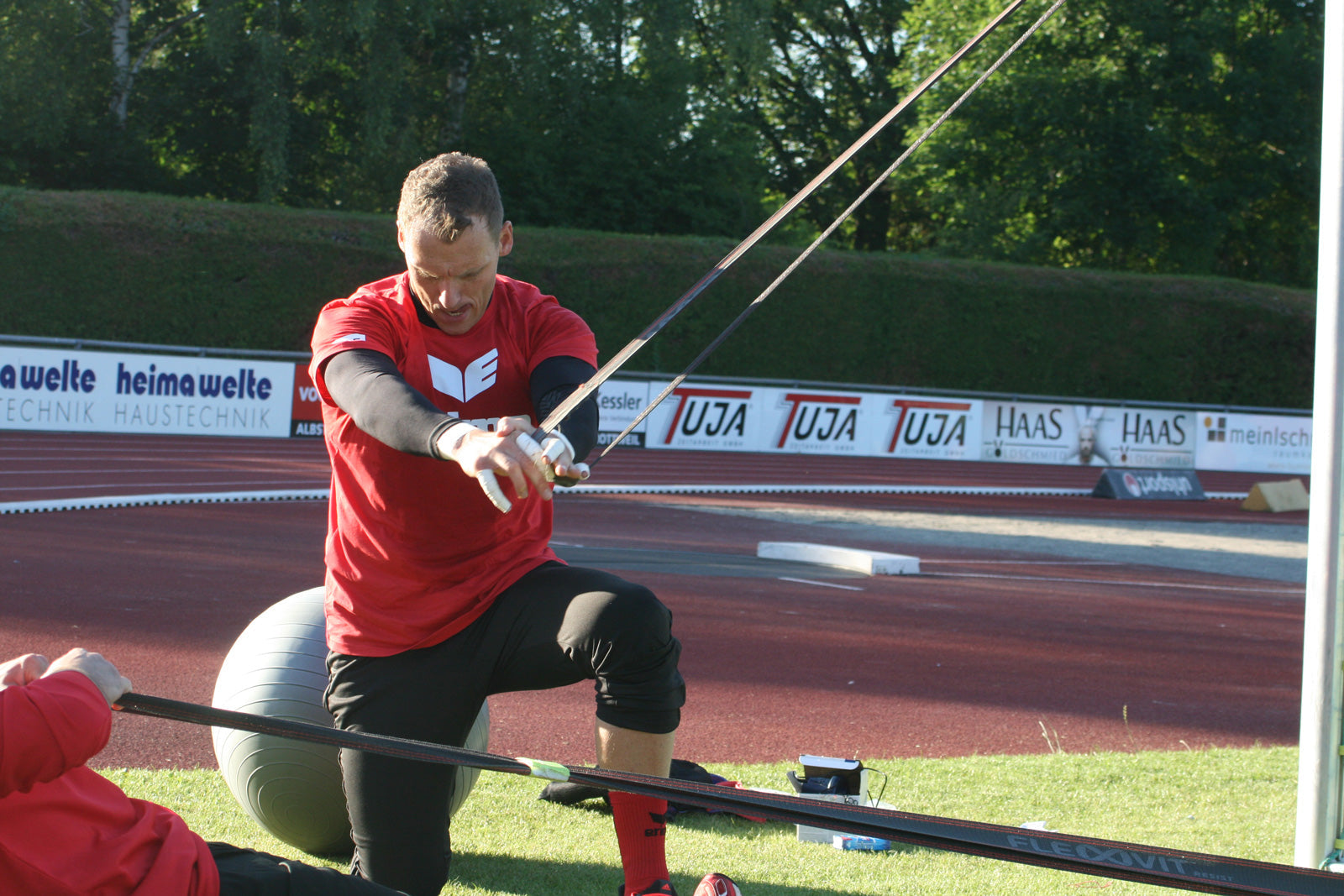
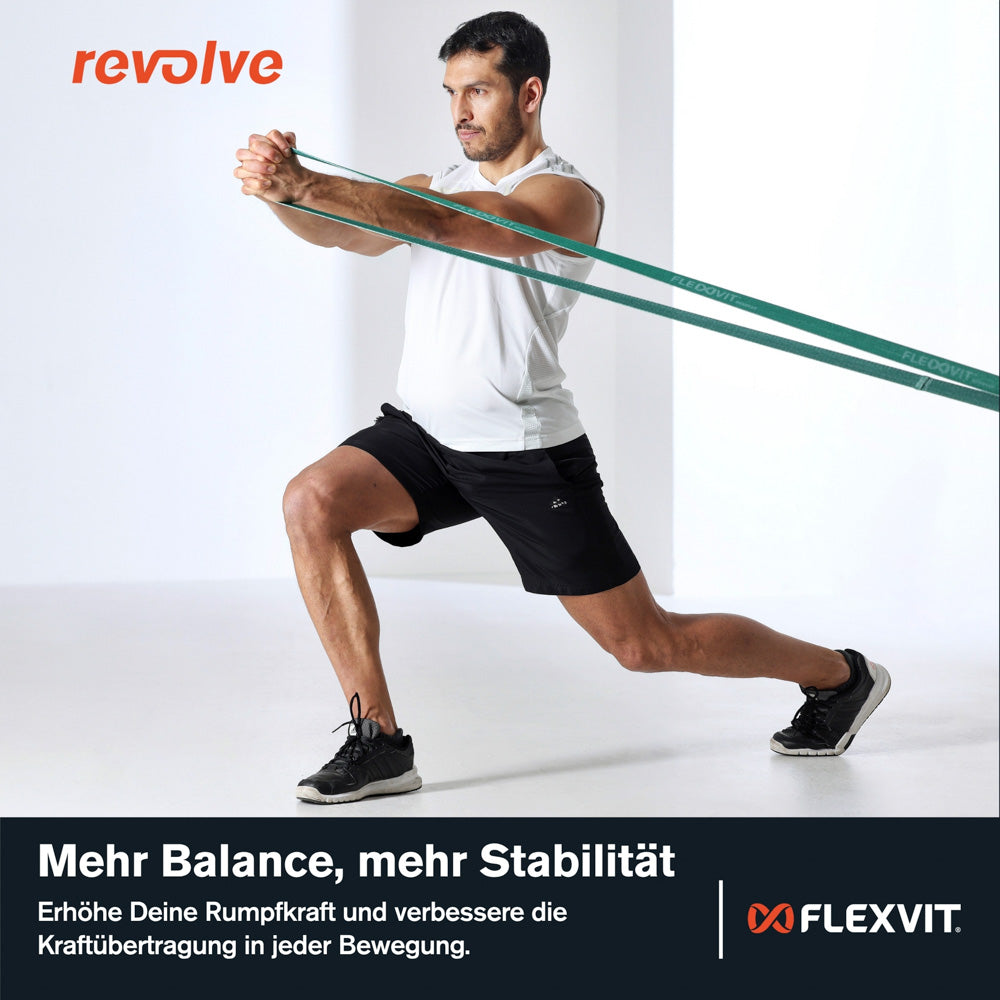
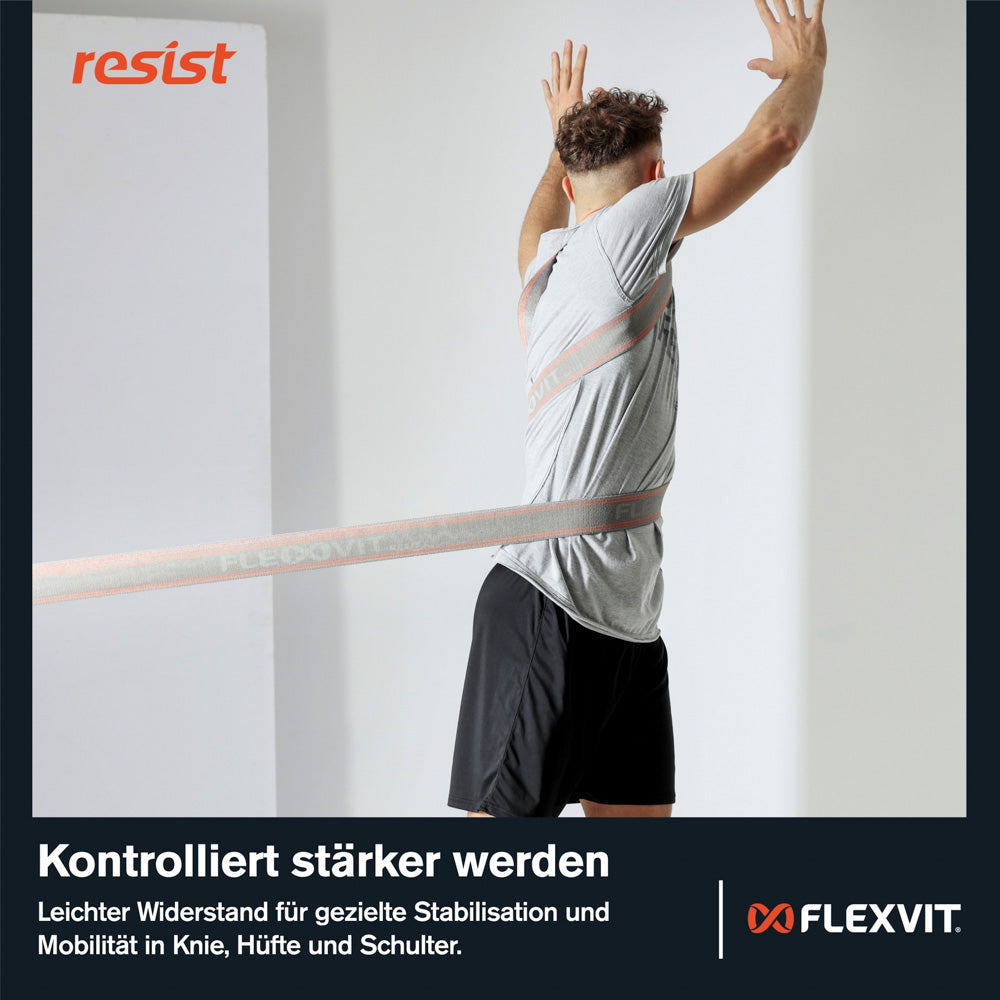
Elastic resistance in this context represents a versatile and practical training tool. Due to its variable resistance curve, it allows for progressive loading throughout the entire range of motion.
This can particularly reduce stress in weaker joint positions while maintaining relevant tension.
Typical application areas:
- Progressive rehabilitation
- Supplementary volume training
- Coordination and movement training
- Training under restricted conditions
However, limitations must be considered:
- Limited maximum load capacity
- Lower precision in load determination
Therefore, an integrative approach that combines different training tools is usually most effective in practice.
8. Hierarchy of Training Variables
For practice, it is crucial which variables are prioritized.
Primary Factors:
- Continuous training load
- Progressive overload
- Sufficient level of effort
- Goal orientation
Secondary Factors:
- Exercise selection
- Training frequency
- Rest period design
Fine-tuning:
- Movement tempo
- Variation
- Order
This hierarchy reflects a central finding:
The effectiveness of training depends more on its implementation than on its complexity (ACSM, 2023).
9. Open Questions and Future Developments
Despite increasing evidence, open questions remain, such as:
- Optimal volumes for advanced athletes
- Effective methods for developing RFD
- Transfer of strength gains to complex performance requirements
These uncertainties underscore the importance of combining scientific evidence with practical experience.
10. Conclusion – Precision in Application
The current state of strength training is characterized by a clear focus on fundamental principles.
Effective strength training is not determined by the training tool, but by the precision with which the load is applied.
For practice, this means:
- Systematically and progressively control load
- Align training with functional requirements
- Strategically combine training tools
Within this framework, elastic resistance represents a valuable and versatile instrument that can be effectively used in therapy, fitness, and competitive sports when applied precisely.
Literature (Original Sources)
American College of Sports Medicine (ACSM)
https://www.acsm.org
ACSM Physical Activity Guidelines Resources
https://www.acsm.org/education-resources/trending-topics-resources/physical-activity-guidelines
ACSM Journals
https://journals.lww.com/acsm-msse
World Health Organization
https://www.who.int/publications/i/item/9789240015128
Schoenfeld, B. J., et al. (2017)
https://pubmed.ncbi.nlm.nih.gov/27433992/
Grgic, J., et al. (2022)
https://pubmed.ncbi.nlm.nih.gov/36334240/
Grgic, J., et al. (2018)
https://pubmed.ncbi.nlm.nih.gov/26605807/
Ralston, G. W., et al. (2017)
https://pubmed.ncbi.nlm.nih.gov/28486337/
Suchomel, T. J., et al. (2016)
https://pubmed.ncbi.nlm.nih.gov/26838985/
Cormie, P., et al. (2011)
https://pubmed.ncbi.nlm.nih.gov/21297568/
Ramírez-Campillo, R., et al. (2023)
https://pubmed.ncbi.nlm.nih.gov/39366003/
Behm, D. G., et al. (2010)
https://pubmed.ncbi.nlm.nih.gov/24055781/
Liu, C. J., & Latham, N. K. (2009)
https://pubmed.ncbi.nlm.nih.gov/19588334/
Frequently Asked Questions about Modern Strength Training
According to current science, what determines the effectiveness of strength training?
Current evidence clearly shows that strength training is primarily determined by five factors: mechanical load, training volume, effort level, progression, and specificity. The choice of training equipment plays a minor role (ACSM, 2023).
Is the training method crucial for training success?
No. Studies show that it is not the method itself that is decisive, but how consistently and systematically the load is controlled. Different training tools can produce similar adaptations if the fundamental principles are met.
What is the difference between maximum strength, power, and RFD?
- Maximum strength describes the maximum possible force production
- Power combines force and speed
- Rate of Force Development (RFD) describes how quickly force can be built up
In many real-world situations, RFD is more critical than maximum strength.
Why is specificity so important in strength training?
Adaptations are always specific to the conditions under which training occurs. This applies not only to muscles but also to movement patterns, joint angles, speed, and coordination. Without specific training, the transfer to real-world demands is limited.
Are resistance bands as effective as weights?
Yes – as long as load, volume, and effort are comparable. Resistance bands can produce similar neuromuscular adaptations and are therefore a fully valid training tool.
What role do resistance bands play in modern training?
Resistance bands are a versatile tool, particularly suitable for rehabilitation, supplementary volume training, coordination, and training in various environments. Brands like FLEXVIT have systematically further developed this form of training and integrated it into modern training concepts.
Why is strength training no longer defined by equipment today?
Modern exercise science views strength training as stimulus-driven. The crucial factor is how resistance acts – not what creates it. This perspective allows for more flexible and individualized training design.